Tensions Escalate in the Strait of Hormuz – Shockwaves in Global Energy Markets
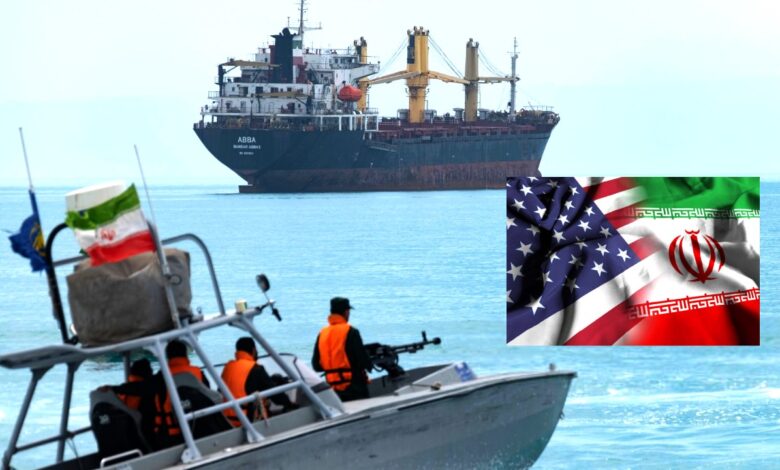
New regulations are set to be enforced in the Strait of Hormuz, one of the world’s most critical energy trade routes, according to an announcement by Iran.
The naval wing of Iran’s Revolutionary Guard (IRGC) stated that it intends to establish full control over approximately 2,000 km of its coastline, aiming to transform the waterway into a zone that ensures security and prosperity for regional populations.
Rising US–Iran Tensions
This move comes after the United States signaled that its naval blockade would continue, as announced by US Treasury Secretary Scott Bessent.
Reports indicate that vessels passing through the Strait are being intercepted by Iranian fast boats, with ships allegedly required to pay up to $2 million to ensure safe passage.
Iran has also insisted that such fees should be shared with Oman, emphasizing that the Strait lies within the maritime boundary of both Iran and Oman.
Trump Issues Strong Warning
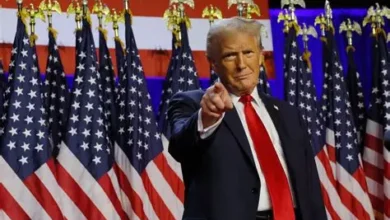
In response, US President Donald Trump has issued a firm directive to counter what he described as illegal toll collection.
He warned that any Iranian vessels attempting to enforce such payments could face direct military action, reportedly including a “shoot and kill” order.
Oil Prices Surge
The escalating tensions have already impacted global energy markets. The price of Brent Crude has surged to around $122 per barrel.
Global Implications
The Strait of Hormuz is a vital artery for global oil transportation, and any disruption in this region can have immediate and far-reaching economic consequences.
Experts warn that the ongoing naval standoff between Iran and the United States poses a significant threat to global energy security.