Mandatory Clearance for Buddhist Monks Traveling Abroad
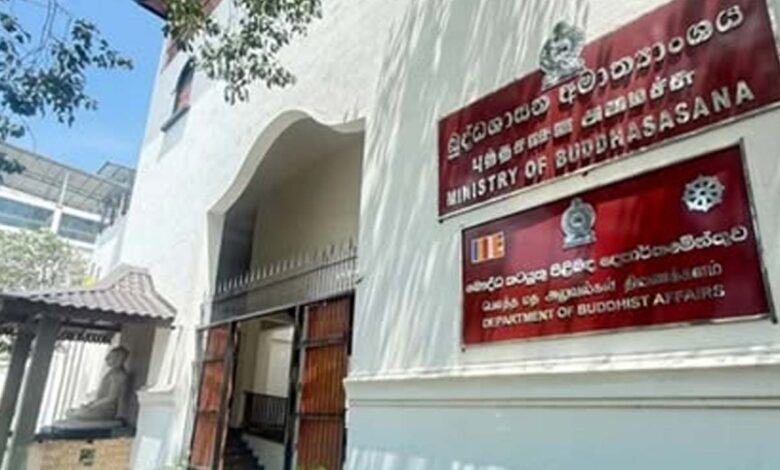
The Sri Lankan government has introduced strict mandatory procedures for Buddhist monks traveling overseas, effective immediately.
This decision follows a recent high-level meeting between President Anura Kumara Dissanayake and the Mahanayaka Theros (Chief Prelates). Deputy Minister of Buddhasasana, Gamagedara Dissanayake, stated that while these regulations existed previously, they will now be enforced with zero tolerance to protect the dignity of the Sasana.
New Travel Requirements
Under the new directives, any Buddhist monk planning to travel abroad must obtain formal recommendations from the following three levels of authority:
-
Their Senior Monk (Guru Hamuduruwo)
-
The Regional Buddhist Leader
-
The Mahanayaka Thero of their respective Nikaya (Sect)
Legal and Strategic Enforcement
To provide these measures with legal weight, the government is consulting with the Attorney General and the Ministry of Buddhasasana.
-
Legislative Basis: Discussions are underway to utilize Sections 41 and 42 of the Buddhist Temporalities Ordinance to grant a committee, led by the Mahanayaka Theros, the power to oversee and regulate these foreign travels.
-
Government Oversight: Urgent meetings have been held between the Registrar Theros and ministry officials to ensure the process is streamlined yet rigorous.
Incident Background: Drug Bust at BIA
The primary catalyst for this strict enforcement was a major security breach at the Bandaranaike International Airport (BIA).
On April 26, 2026, authorities arrested 22 Buddhist monks arriving from Thailand after discovering a massive haul of narcotics. Officials reported seizing approximately 110 kilograms of “Kush” (high-grade cannabis), with a street value estimated at Rs. 1.1 billion. The drugs were allegedly concealed in false compartments within the monks’ luggage.
This incident, described by the President as a sign of the escalating “national drug menace,” has prompted the state to intervene directly in the travel protocols of the clergy to prevent such exploitation in the future.