Japan Hands Over Refrigerated Trucks to Sri Lanka Fisheries Corporation
Colombo | June 12, 2026
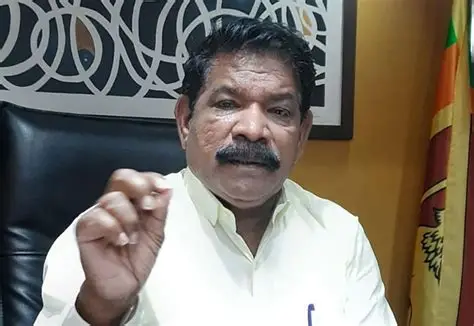
Japanese Ambassador to Sri Lanka Akio Isomata officially handed over six refrigerated trucks to the Ceylon Fisheries Corporation in the presence of Minister of Fisheries, Aquatic and Ocean Resources Ramalingam Chandrasekar and Deputy Minister Rathna Gamage.
The vehicles were received by Chairman of the Ceylon Fisheries Corporation, Mohamed Nawras Nassar.
Part of Japanese Grant Assistance Programme
The handover forms part of the Economic and Social Development Programme funded by the Government of Japan with a grant worth 200 million Japanese Yen (approximately USD 1.25 million).
The project also includes the provision of three ice-making machines for Jaffna, Mullaitivu, and Trincomalee, aimed at strengthening Sri Lanka’s cold-chain infrastructure.
Addressing Post-Harvest Losses
Transporting fish and other seafood products from the Northern and Eastern Provinces to Colombo, a distance of approximately 300 to 400 kilometres, continues to present significant logistical challenges.
These challenges include post-harvest losses, deterioration of product quality due to inadequate temperature control, and reduced export competitiveness. Estimates suggest that post-harvest losses in Sri Lanka’s fisheries sector can reach up to 40 percent.
The six refrigerated trucks will be operated by the Ceylon Fisheries Corporation to transport seafood products from the Northern and Eastern Provinces to Colombo.
Authorities expect the vehicles to significantly improve the fisheries cold chain, reduce post-harvest losses, maintain product quality, and enhance the efficiency of seafood distribution networks.
Ambassador Highlights Importance of Cold-Chain Infrastructure
Speaking at the event, Ambassador Isomata emphasized that cold-chain systems are not merely technical or logistical tools but essential infrastructure that protects fishermen’s livelihoods, ensures consumer confidence, and supports national food security.
He noted that inadequate temperature control can lead to substantial post-harvest losses, health risks, lower market prices, and reduced consumer trust.
The Ambassador also expressed hope that the Japanese assistance would encourage further private-sector investment in Sri Lanka’s cold-chain infrastructure and reaffirmed Japan’s commitment to supporting the country’s sustainable development efforts.
Sri Lanka Expresses Gratitude
Minister Chandrasekar thanked the Government and people of Japan for their continued support.
He described the donation as a major milestone in modernizing Sri Lanka’s fisheries infrastructure and noted that maintaining an efficient cold chain is critical to reducing losses, ensuring high-quality seafood reaches consumers, and stabilizing market prices for local fishermen.
The Minister added that the new vehicles would significantly enhance the Fisheries Corporation’s distribution capabilities and facilitate the safe transportation of fresh seafood across the country.
Strengthening Bilateral Relations
Both sides highlighted that the initiative reflects the longstanding friendship and cooperation between Sri Lanka and Japan.
The project is expected to strengthen food security, improve livelihoods in coastal communities, support the growth of a sustainable blue economy, and further deepen bilateral ties between the two countries.