“The Ideologies That Created Zahran Are Still Active in the Country” – Gnanasara Thero
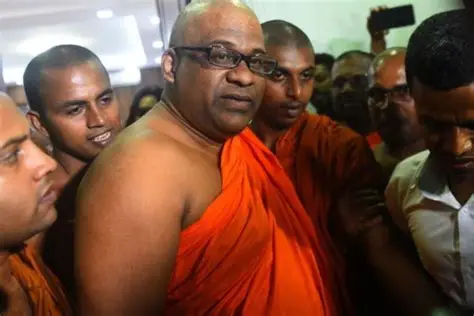
Galagoda Aththe Gnanasara Thero, General Secretary of the Bodu Bala Sena (BBS), has alleged that the ideological foundations and extremist networks that produced Zahran Hashim, the mastermind behind the 2019 Easter Sunday attacks, continue to operate in Sri Lanka.
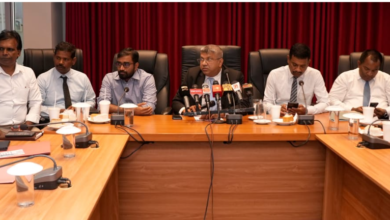
Speaking at a media briefing, Gnanasara Thero said that the current political debates surrounding the Easter Sunday investigations are diverting attention away from the root causes of extremism.
Key Statements
- He argued that the real extremist networks, ideologies, and organizations behind the Easter Sunday attacks are not receiving sufficient attention.
- According to him, political groups are focused on blaming each other rather than addressing the underlying causes of radicalization.
- He claimed that he and others had repeatedly warned authorities about emerging extremist groups long before the attacks occurred.
- He said information had been provided to the government regarding groups allegedly operating in areas such as Negombo and other parts of the country.
Comments on Zahran Hashim
Gnanasara Thero stated that:
- Zahran Hashim did not emerge overnight.
- More than 40 complaints had allegedly been made regarding his activities in Kattankudy before the attacks.
- He believes the failure to take action on those complaints contributed to the tragedy that followed.
On the Muslim Community
Gnanasara Thero emphasized that he is not opposed to ordinary Muslims.
He stated that his concerns are directed at extremist ideologies and radical movements, not at the Muslim community as a whole.
Appeal to the Government
He said he had requested meetings with:
- President Anura Kumara Dissanayake
- The Prime Minister
- The Speaker
- The Secretary of Defence
to discuss these concerns, but claimed he has not yet received a response.
Final Remark
Gnanasara Thero concluded by saying that his greatest concern is not his personal safety, but what he described as the continued existence of institutions and ideologies that, in his view, contributed to the rise of Zahran Hashim.