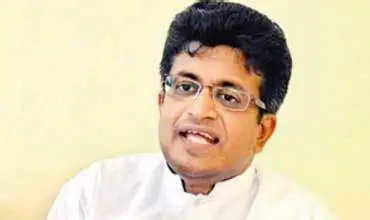
Sri Lanka Records Over 100,000 Child Abuse Cases in Last 10 Years – Dr. Samal Sanjeewa
Samal Sanjeewa stated that more than 100,000 child abuse cases have been officially recorded over the past 10 years in Sri Lanka through the National Child Protection Authority and the police Children and Women’s Bureau.
He made these remarks while speaking to the media in Colombo today (26).
He emphasized that with clear evidence available in such cases, the legal framework must be further strengthened, and the judiciary and security authorities should work together to ensure stricter punishment for offenders.
He noted that, on average, more than 10,000 child abuse incidents are reported annually in the country, either directly or indirectly. He said such statistics are alarming for a country rooted in cultural and spiritual values.
He further highlighted that preschool and school-aged children are the most affected group, and in many cases, the perpetrators are individuals within the child’s close environment, including teachers, relatives, family friends, and caregivers.
He also pointed out that abuse occurs in various settings such as state and private childcare institutions, religious places, rehabilitation centers, and even in cases where children are illegally employed or forced into begging.
According to him, many cases are never officially reported to police stations or hospitals, and only severe incidents or cases involving pregnancy or serious injuries become part of official records.
He added that the impact is not only physical but also psychological, leading to issues such as teenage pregnancies, sexually transmitted infections, mental health disorders, disrupted education, substance abuse, and social deviant behavior.
He also noted that while girls are more frequently reported as victims, boys and even adult males can also be victims in certain cases, including abuse by female perpetrators.
He stressed that many offenders themselves may have been victims of abuse during their childhood, indicating a cycle of violence that needs urgent attention.
He concluded that beyond awareness, a major societal behavioral change is required, and responsibility lies equally with parents, schools, families, and the wider community. He called for a stronger legal system and coordinated action between the judiciary and security forces to ensure justice for children without discrimination.