National Initiative Launched to Strengthen Public Service and Digitize Civil Administration
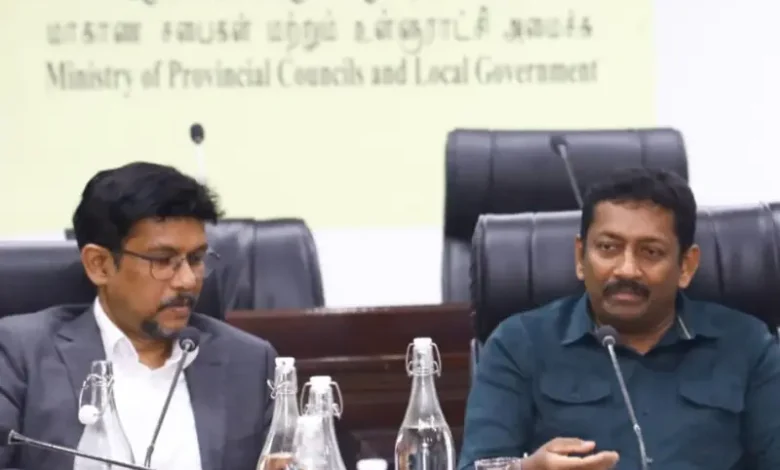
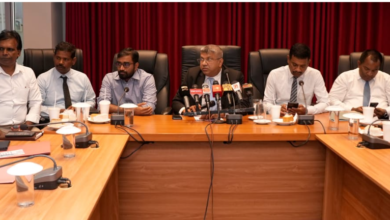
A high-level national consultation aimed at strengthening Sri Lanka’s public service and advancing the digitization of civil administration was successfully held on 3 June 2026, marking a key milestone in the country’s journey toward a stronger digital economy.
The meeting focused on establishing a comprehensive framework for digital transformation in the public sector and enhancing the technical competencies of government officials. It was co-chaired by Deputy Minister of Digital Economy Eng. Eranga Weerarathna and Deputy Minister of Provincial Councils and Local Government Ruwan Senarathna.
The initiative aims to improve operational efficiency in the public service and eliminate administrative delays, aligning with rapidly evolving global technological trends. During the discussion, emphasis was placed on transitioning the public service from a traditional “person-dependent” system to a modern “system-dependent” model. Key priorities included reducing resistance to technology among senior officials, fostering digital ownership, and strengthening cybersecurity awareness to mitigate data risks and cyber threats.
The committee also explored the feasibility of introducing an online e-learning platform to train large numbers of government employees simultaneously. A “micro-learning” approach was proposed, featuring short 2–3 minute video modules delivered across 10–15 sessions, accessible via mobile devices to enhance engagement.
It was further proposed that digital literacy programs be integrated into policy frameworks as a mandatory requirement for annual performance evaluations and professional promotions. To optimize existing resources, government and school computer labs may also be utilized for training after 4:30 p.m. Additionally, gamified learning elements such as digital badges and digitally signed certificates are expected to be introduced to encourage continuous learning.
The program is structured under a three-tier framework targeting current employees, new recruits, and future generations. Existing public servants will receive training tailored to their professional levels, while new recruits will be required to obtain digital certification prior to or immediately after entering public service. Future generations will benefit through curriculum integration at school and university levels aligned with digital economy needs.
As an immediate step, officials will undergo a foundational 10-minute cybersecurity awareness module and practical training on the proper use of official government email systems and digital collaboration tools, discouraging reliance on unsecured platforms such as WhatsApp and Viber.
The initiative requires close inter-ministerial coordination between the Ministry of Digital Economy, Ministry of Public Administration, and Ministry of Provincial Councils and Local Government. Authorities have been instructed to complete a comprehensive needs assessment leading to a structured project proposal.
The strategic session was attended by several senior officials and experts, including Presidential Digital Economy Advisor Dr. Hans Wijayasuriya, Secretary to the Ministry of Digital Economy Varuna Sri Dhanapala, Secretary to the Ministry of Provincial Councils and Local Government S. Alokabandara, advisor Upali Abeyseewardena, and representatives from the Open and Distance Learning Centre (CODL) of the University of Moratuwa, including Ms. Visaka Nanayakkara.